Are you wondering whether a part time or full time job is the right move for you right now? If you're a student or early in your career, part time roles often offer flexibility to balance work with education or personal development, while full time positions provide greater immersion and faster career progression.
In a nutshell
- Do: Prioritize flexibility if you're juggling studies or other commitments. Seek full time roles for rapid skill development and career advancement.
- Do: Understand your financial needs and career goals before deciding. Research industries that offer the type of roles you're interested in.
- Avoid: Underestimating the time commitment of either option. Taking a role that doesn't align with your long term aspirations.
- Avoid: Making a decision solely based on immediate convenience. Ignoring the potential impact on your resume and future opportunities.
Navigating the job market can feel like a maze, especially when you're just starting out. You've probably seen countless internship opportunities for students and entry level positions advertised, but what's the real difference between part time and full time jobs, and more importantly, which one is the better option for you? Let's break it down.
Understanding Full Time Equivalent
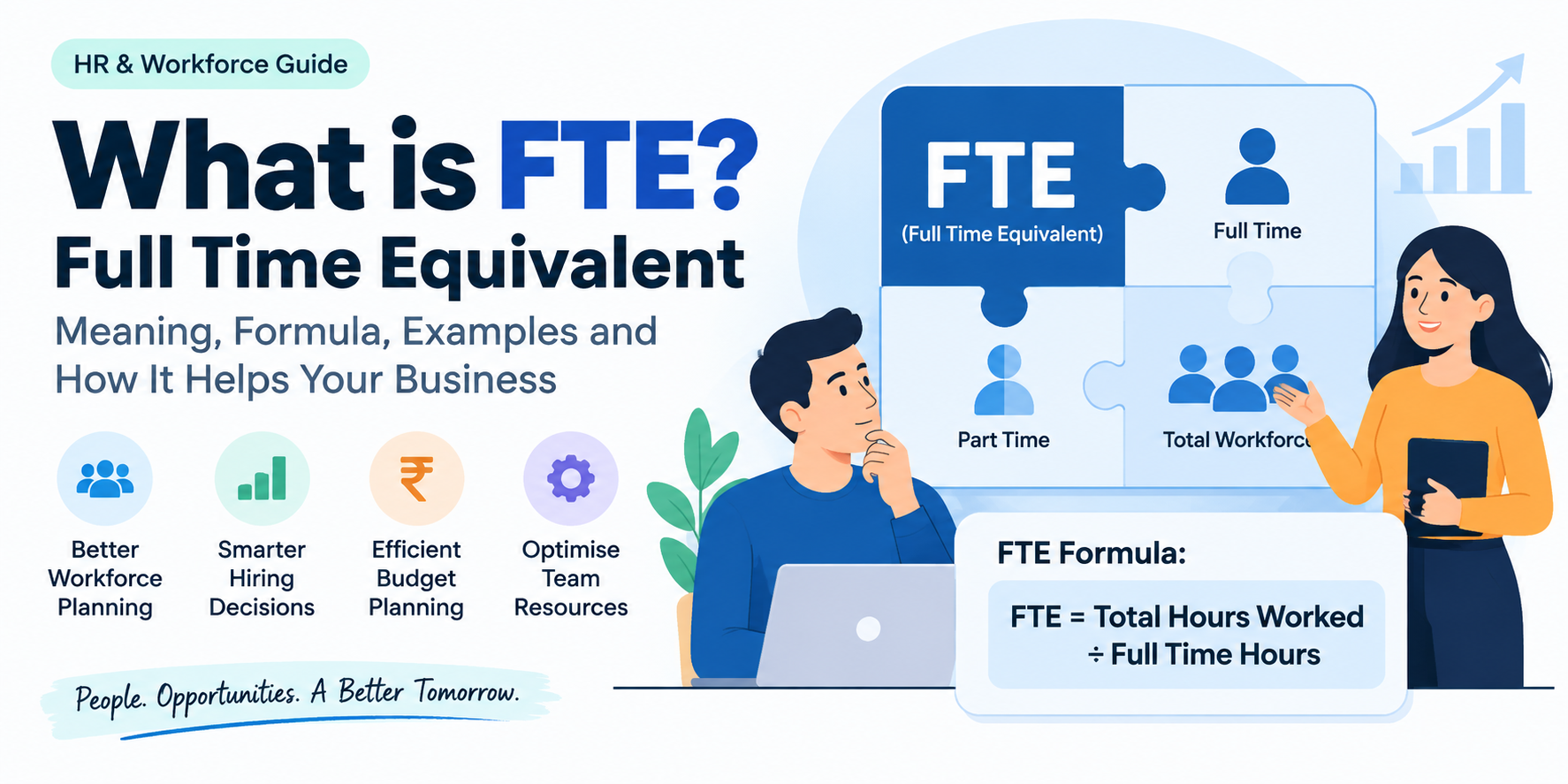
Before we dive deep, let's touch on a term you might encounter: full time equivalent (FTE). Essentially, a full time equivalent is a unit that represents one full time employee. It's often used by companies to measure staffing levels and manage resources. For example, two half time employees might equal one full time equivalent employee. The concept of full time equivalent employees helps businesses understand their workforce size in a standardized way, and understanding how to calculate full time equivalent can be useful if you're looking at company structures or even benefits eligibility.
The Core Differences: A Snapshot
At its heart, the difference between part time full time jobs boils down to hours worked and the typical benefits and commitment associated with each. While a full time job usually means around 40 hours a week and comes with a comprehensive benefits package, a part time role typically involves fewer hours and may have limited or no benefits.
| Feature | Part Time Job | Full Time Job |
|---|---|---|
| Hours Per Week | Typically under 30 35 hours, often flexible. | Usually 35 40 hours, standard business hours. |
| Commitment Level | Lower, allowing for other pursuits. | Higher, focused primarily on the role. |
| Benefits | Often limited or none (health insurance, paid time off). | Typically includes comprehensive benefits. |
| Career Progression | Can be slower, may require transition to full time. | Generally faster, more opportunities for advancement. |
| Financial Stability | Potentially less consistent income. | More predictable income and financial planning. |
| Skill Development | Focus on specific tasks or projects. | Broader exposure, deeper involvement in projects. |
| Work Life Balance | Easier to achieve due to fewer hours. | Requires conscious effort to maintain. |
Diving Deeper: The Part Time Path
A part time job is your go to if you need to keep your schedule open. Think students needing to attend classes, individuals caring for family, or those pursuing side projects or further education. Many industries offer part time roles, from the retail industry where you might help customers and manage inventory, to the content writing industry where you could contribute articles on a project basis. Part time jobs for students near me are often advertised for local businesses looking for flexible support. The key advantage here is flexibility; you can often tailor your hours to fit around your life. However, the flip side is that you might not receive the same level of benefits as a full time employee, and career progression can sometimes feel slower. It's crucial to understand the difference between an internship and a job, as some part time roles might lean more towards an internship experience, offering learning but less in terms of immediate compensation or responsibility.
Embracing the Full Time Opportunity
A full time job is generally seen as the traditional route for building a career. It signifies a significant commitment to an employer, usually involving 40 hours a week. This level of engagement often translates into more comprehensive benefits, such as health insurance, paid vacation, and retirement plans. For freshers and early career professionals, a full time role offers the chance to gain deep industry experience, build a strong professional network, and climb the career ladder more rapidly. Industries like event management, sales, and finance often have a high demand for full time employees due to the nature of their operations and project scopes. While the commitment is higher, the potential for growth, financial stability, and professional development is often greater. When considering an internship vs full time job pros and cons, full time jobs generally offer more responsibility and a clearer path to long term employment.
What Recruiters Notice
Recruiters look for dedication and alignment with the role's requirements. For entry level positions, they want to see that you understand the commitment involved. A part time role might be seen as a stepping stone, demonstrating your ability to manage responsibilities. A full time role, on the other hand, signals a strong desire for a career in that field. They also assess how your experience, whether part time or full time, contributes to your overall career goals. They want to see that you've thought about your career path, not just taken the first available job. What is the difference between an internship and a job? Recruiters understand that internships are primarily for learning, while jobs are for contributing and earning.
Mini Case Study: Sarah's Strategic Choice
Sarah, a recent graduate with a degree in marketing, was faced with the part time vs full time decision. She had a passion for social media marketing but also wanted to continue developing her graphic design skills through online courses. She found a part time social media coordinator role at a local startup. This allowed her to gain practical experience in her desired field while still having ample time for her courses and personal projects. After a year, she had built a solid portfolio and a strong understanding of social media strategy. She then transitioned to a full time marketing specialist position at a larger agency, leveraging her experience and newly acquired skills. Her initial part time role was instrumental in her career progression.
Choosing Your Path: Aligning with Your Priorities
The "better" option isn't universal; it's entirely dependent on your personal circumstances and career goals. If your priority is gaining diverse experiences and maintaining a flexible lifestyle, part time might be ideal. This is particularly true for students or those in industries like content writing where project based work is common. If your focus is on rapid career advancement, financial stability, and deep immersion in a particular field, full time is likely the way to go. Consider your financial goals; a full time job often provides a more stable income stream, which is crucial for long term financial planning. For those seeking a clear career path, understanding the difference between internship and job is vital. An internship can be a fantastic way to test the waters before committing to a full time role, and Apply My Internship offers a wide range of internship opportunities for students looking to gain this initial experience.
Common Pitfalls to Sidestep
One common mistake is choosing a job solely based on immediate convenience without considering long term career implications. For instance, taking a highly flexible part time job that offers little in terms of skill development or industry relevance might hinder your progress. Conversely, jumping into a full time role that doesn't align with your passions can lead to burnout and dissatisfaction. Another pitfall is not clearly understanding the expectations of either role. What is full time equivalent? While this term is more for employers, understanding the general hours and commitment expected from a full time position is crucial. Always clarify responsibilities and expectations during the application process. Remember the difference between an internship and a job; don't expect full time job benefits from an internship.
Quick answers
What is the main difference between part time and full time jobs?
The primary difference lies in the number of hours worked per week, with full time jobs typically requiring 35 40 hours and part time jobs typically fewer than 30 35 hours. This often impacts benefits, commitment, and career progression.
Can I get benefits with a part time job?
While some part time roles may offer limited benefits, it's less common than with full time positions. Always clarify the benefits package during the hiring process.
Which is better for career growth, part time or full time?
Generally, full time jobs offer more opportunities for rapid career growth due to deeper immersion, increased responsibility, and greater visibility within a company.
Is a part time job suitable for students?
Absolutely. Part time jobs are often ideal for students as they provide income and experience while allowing flexibility for studies.
How do I know if a full time job is right for me?
A full time job is likely right for you if you're seeking financial stability, rapid career advancement, and are ready to commit significant time to a single employer.
What is a full time equivalent (FTE)?
A full time equivalent is a unit used by companies to measure the workload of employees. It's often calculated based on standard working hours, for instance, 40 hours a week.
Should I consider an internship or a job first?
If you're new to a field, an internship can be a great way to gain experience and explore your interests before committing to a full time job. The difference between internship and job is primarily in the learning focus versus the contribution focus.
Where can I find part time jobs for students?
You can find part time jobs for students on career platforms like Apply My Internship, local job boards, and by checking the career pages of businesses in your area.
Deciding between a part time and full time role is a significant step in your career journey. Both paths offer unique advantages, and the best choice depends on your individual circumstances, financial needs, and long term career aspirations. Take the time to reflect on your priorities, research different industries, and understand the commitment involved in each type of employment. If you're looking for time management internships to help you balance your schedule, or any other internship opportunities, Apply My Internship is your go to resource.
Ready to take the next step? Explore the vast array of internship opportunities and job listings available on Apply My Internship today to find the perfect fit for your career goals.